Living near water sounds simple until you actually try it. The first summer, I learned that the postcard version of lake life and the daily reality are two different things, and the gap between them is filled with small, practical decisions nobody warns you about.
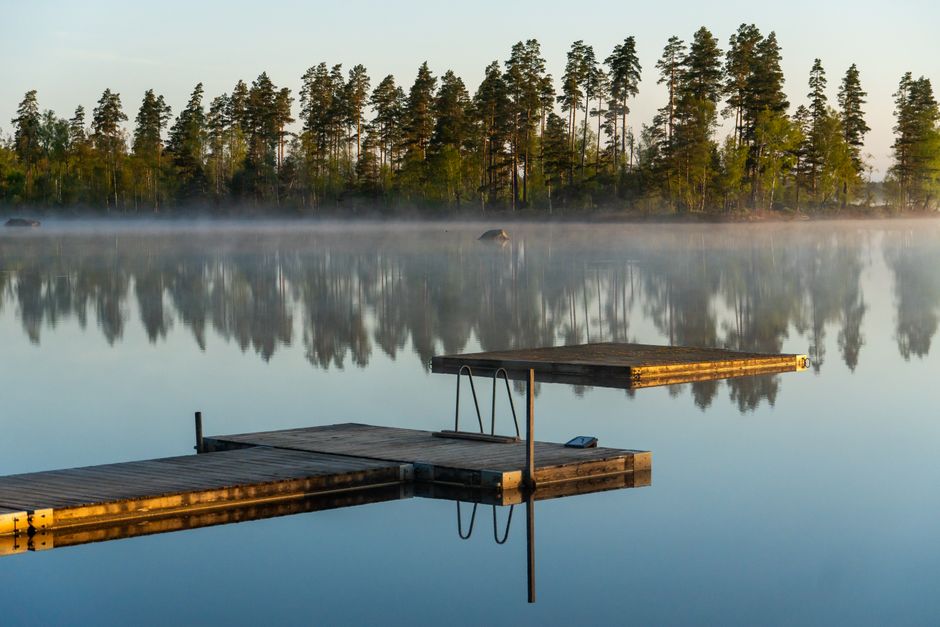
Start with the dock. Wood swells, contracts, and grows a slick film of algae faster than you’d think, especially on the north-facing side that gets less sun. A stiff push broom and five minutes every Saturday morning keeps it from becoming a hazard. Skip it for a month and you’re looking at a pressure washer and a whole afternoon you didn’t plan for.
Storage is the next thing people underestimate. Anything left outside near the water needs to tolerate humidity swings, not just rain. Life jackets, cushions, and rope get moldy in closed bins faster than in open-air, covered racks. A simple over-the-rail rack or a vented deck box keeps gear usable and saves you from replacing foam-filled cushions every other year.
Bugs are seasonal, not constant, and knowing the pattern helps more than any spray. Mosquitoes peak at dawn and dusk, especially after a rain, so if you’re planning an evening on the porch, a fan aimed at ankle height does more than citronella candles. Moving air disrupts their flight pattern; scent barely matters to them.
Water levels shift more than most people expect, even without storms. If you keep a boat on a lift, check the lake’s seasonal average versus current level once a month — utility companies and dam operators often post this data publicly, and it’s the easiest way to avoid scraping a hull or straining a lift motor. A five-minute check saves a repair bill.
For anyone gardening near the shoreline, native plants aren’t just an aesthetic choice — they hold soil far better than lawn grass, which erodes quickly with wave action and rain runoff. Switchgrass, blue flag iris, and joe-pye weed handle wet roots and occasional flooding without much fuss, and they don’t need fertilizer that eventually washes into the water anyway.
Noise travels strangely over water — a conversation or a radio thirty yards out can sound like it’s right next to you. It’s worth mentioning to guests, not as a rule, just a heads-up, because most people don’t realize how far sound carries until someone gently tells them.
And then there’s the slower stuff, the part that’s harder to put in a checklist. Mornings by the water have a different rhythm than mornings anywhere else — the fog burning off, the first boat easing out, the quiet before anyone’s really awake. It’s worth building a small ritual around it, even just coffee on the dock, because that’s usually the moment people say they moved there for in the first place, and it’s easy to let it slide once the routines of daily life take over again.
Lake living rewards attention more than effort. Small maintenance, a little planning around the seasons, and a few honest habits go a lot further than any big renovation or grand plan ever will.