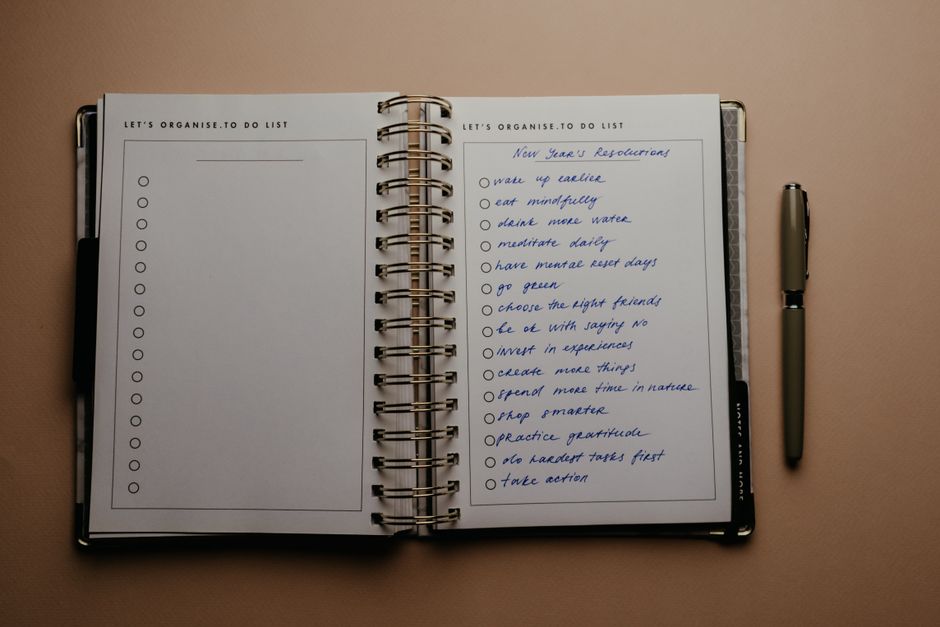
Most habit advice skips the part where things get messy. Before you pick a habit tracker or write out a 30-day challenge, here’s what actually happens once you start — and what to do about it.
Nobody tells you that “21 days” is a myth you should ignore completely. That number gets repeated everywhere, but it traces back to a 1960s plastic surgeon’s casual observation, not a controlled study. The real data comes from psychologist Phillippa Lally and colleagues at University College London, who tracked 96 people trying to build a new daily habit — things like eating fruit at lunch or running for 15 minutes.
A hallmark 2009 study on habit creation found that habits developed in a range of 18 to 254 days; participants reported taking an average of about 66 days to reliably incorporate one of three new daily activities
. That’s a 14-fold spread. If your habit isn’t automatic by day 21, or even day 60, you haven’t failed — you might just be an 180-day habit tackling a slow-forming behavior.
Nobody tells you the early days feel disproportionately hard compared to how easy the habit eventually becomes. Lally’s data actually shows a curve: effort front-loads, then tapers. As Dr. Lally herself put it when reflecting on the study,
the average time it took for the participants in her study to form a daily habit was 66 days, and the range was 18 to 254 days
. The takeaway isn’t a magic number — it’s that the difficulty you feel in week one is not a preview of how hard this will always be.
Nobody tells you that missing one day won’t undo your progress, but you should still plan for the miss in advance. Decide now what “getting back on track” looks like — same time tomorrow, no penalty lap, no starting the count over. Treating a missed day as data instead of a verdict on your willpower is what actually determines whether the habit survives its first bad week.
Nobody tells you that stacking too many new habits at once is why most resolutions die by February. Pick one behavior you can do on your worst day, not your best one. If the habit only works when you have a good night’s sleep, free evening, and motivation to spare, it isn’t a routine yet — it’s a hobby that depends on circumstances.
Nobody tells you that the environment matters more than your resolve. If the habit requires digging through a closet or driving somewhere out of your way, friction will win most days. Put the running shoes by the door. Keep the book on the pillow. This isn’t a trick — it’s just removing the small obstacles that decide whether tired-you follows through.
Nobody tells you that tracking the habit changes your relationship to it. Even a plain paper calendar with X’s marked on it gives you a visual record that outlasts your mood on any given day, which matters most on the days you don’t feel like continuing.
And nobody tells you that some habits simply take longer for you than they did for your friend, and that’s not a personal failing — it’s just what the range in the research actually predicts.