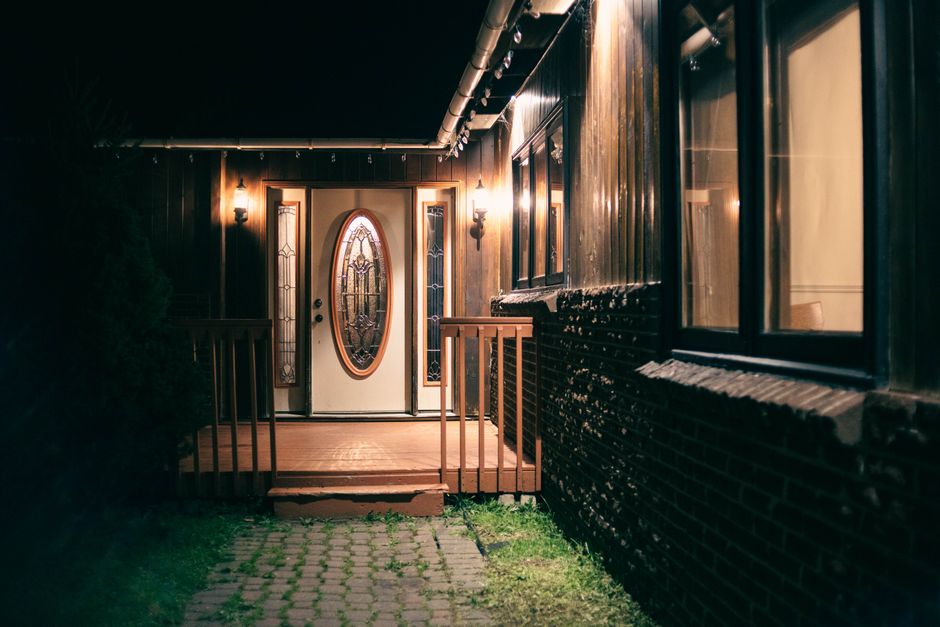
There’s a specific moment most of us blow right through without noticing: the few seconds between finishing whatever we were doing and walking through our own front door. We carry the last email, the traffic, the argument with a coworker, straight into our living room and hand it to whoever’s waiting for us there — a partner, kids, a dog, or just ourselves. Here’s a small fix that takes less than a minute and can change the whole tone of your evening: the doorway pause.
Before you put your key in the lock, stop on the step outside. Just stand there for three slow breaths. In through your nose, out through your mouth, longer exhale than inhale. While you breathe, silently name one thing from the day that’s still stuck to you — a tense meeting, a snippy text, a headache that won’t quit — and then, on the exhale, imagine setting it down outside the door, like taking off a coat you don’t need indoors. You’re not pretending it didn’t happen. You’re just choosing not to bring it inside with you.
This works because of something called state-dependent transition — our brains don’t automatically switch gears when our physical location changes, even though we assume they will. You can walk from your car to your kitchen table in eight seconds, but your nervous system doesn’t know the workday is over unless you tell it. Athletes do a version of this before big moments; they call it a “flush routine,” a physical cue that says old task done, new task starting. You don’t need a locker room. You need a doormat.
The pause matters most on the days you don’t feel like doing it — the days you’re irritated, exhausted, or running late. Those are exactly the days something ends up landing on the people you love, or on you, in the form of snapping at a small thing that isn’t really about the small thing. Thirty seconds outside your door won’t erase a hard day, but it gives you a beat to choose your next mood instead of just inheriting it from the last three hours.
If you live alone, this still counts, maybe even more. The people you’re protecting from your bad day include future-you, the one who has to sit with whatever mood walks through that door for the rest of the night.
A few practical notes: keep it under a minute so it doesn’t become one more thing you dread doing. If you drive, you can do it in the car before you get out instead of standing outside like you’re locked out. If you share a home, you don’t need to explain it to anyone — nobody needs to know you’re doing a tiny reset on the porch. And if you forget, or you’re in a genuine rush, skip it without guilt. This isn’t a rule to fail at. It’s just a door you can walk through a little lighter, on the days you remember to.
Try it tonight, even once. Notice if the first ten minutes inside feel any different. Small hinges swing big doors.